EP 30 | Asset Protection 101: Marrying Business with Estate Planning


 RSS Feed
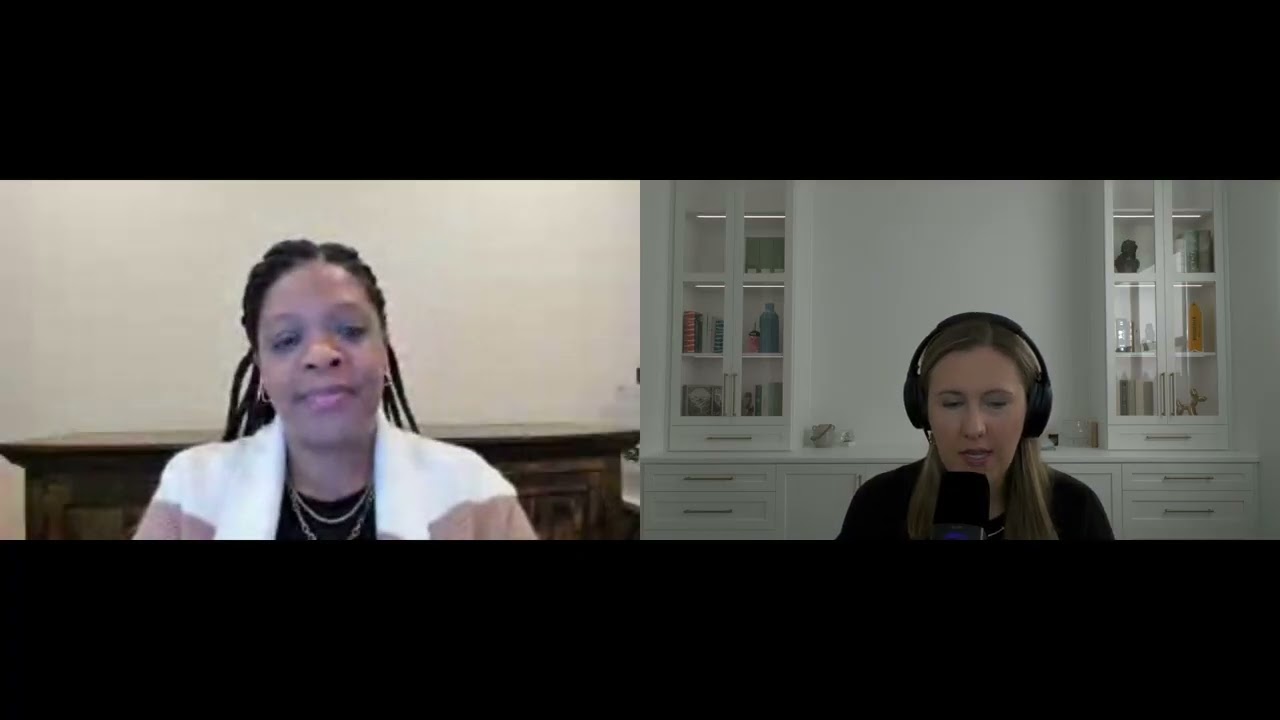
 In this episode of Merger She Wrote, host Paloma Goggins, owner of Nocturnal Legal, interviews asset-protection and estate-planning attorney Sherrie Prince about how entrepreneurs can align their business plans with their estate plans to “build a moat” around personal and company assets. Sherry explains that planning starts with the end goal—what retirement and an eventual exit look like—and should account for both external risks (like slip-and-fall claims that insurance may not fully cover) and internal risks such as employee disputes, partner conflicts, and divorce. Paloma and Scherrie discuss why operating agreements should be as protective as if partners were strangers, including community property concerns where a spouse may gain ownership rights. Scherrie also notes that tools like business trusts, holding companies, and entity structures are goal- and industry-dependent and should be coordinated with a “money team” of insurance, tax, and M&A professionals. Scherrie explains that she learned the importance of written agreements after starting a business at 21 without documents and unexpected obstacles along the way.
00:35 - Meet the Host and Guest
01:14 - Merging Business and Estate Plans
02:23 - Start With the End Goal
03:32 - Risk Planning and Partner Pitfalls
07:03 - Trusts and the Money Team
11:03 - Estate Plan as the Moat
15:26 - Funding Trusts and Home Protection
18:11 - Multi-State Strategy and Anonymity
23:57 - Real Estate LLC Mistakes and Wrap-Up
Meet the Host and Guest
Paloma GogginsIn the world of business, not all deals are what they seem. Fortunes rise, empires crumble all with the stroke of a pen. Mergers, acquisitions, hostile takeovers. Welcome to merger, she wrote where we examined strategies and stories behind the biggest. Deals in business because in m and a, the real risks are the ones you don't take. Welcome back to another episode of Mergers She wrote. I am Paloma Goggins, your host and the owner of Nocturnal Legal. Today, my guest is someone who helps you protect your assets, and she is going to help us demystify this area of the law that she practices in. I would like to welcome Scherrie Prince. Thank you so much for being on the show today,
Scherrie PrincePaloma. Thank you so much for having me.
Paloma GogginsSo Sherrie, I'd love for you to just give us your sort of four sentence, three sentence introduction of what you do and then we'll jump into the hard hitting topics, because I have questions too.
Merging Business and Estate Plans
Scherrie PrinceSure. Very practically what I do is I help entrepreneurs merge their business plan with their estate plan to build a mode around their assets. We just make sure that your house is taken care of or your home is taken care of and your business. And that's it.
Paloma GogginsAnd so I think to just kick off our conversation, because I feel like people know very well, estate planning, they know very well business law, and they don't know how the two can inter mesh and how the planning in one can spill over into the planning and another, just lay this down for me. I am a business owner. I'm planning to one day sell my business. I've got, let's just use some hypotheticals. I've got one home that's my primary. I've got a second home somewhere else. I've got a bunch of assets. My business is doing really well. You know what? What would you do when you come in as this individual who's marrying the two, the assets of your sort of personal life, your business and your estate plan? What does this look like? What are the questions that someone like me should be asking?
Scherrie PrinceThe first thing that you should consider is what is your end goal? What does retirement look like for you? Do you have a plan for the next three, five or 10 years in your business? And depending on where you are personally, if you're married, what sort of personal endeavor endeavors do you and your significant other have in mind? So how do we harmonize those? And that's what I really look at. Stephen said, begin with the in mind. So look at where you wanna be and we make sure that you have the foundation to take you there.
Paloma GogginsI love the idea of the end in mind because there are so many times I speak with individuals who have started a business. They're nowhere near the end, right? They don't think about the exit. They don't think about how their business will grow with them, how they're going to scale, right? It is just, there's such tunnel vision because it's a brand new business. And the reality is like everyone should be thinking about the end, even when they're just starting out. And I think that could be. Such an overwhelming concept for someone who's I just formed my LLC. What do you mean? I need to start thinking about the end in mind,
Scherrie Princeeven before you form your LLC, because there are so many of us, and I know we're both attorneys, so the term widget is something, we hear over and over again. Think about you being the person that makes the best widgets in your town, and you wanna sell those widgets for a premium price. You provide a great service, but before you even start your company, it's okay. What happens if somebody walks in my door and slips and falls? What sort of protections do I have? And so a lot of times we think I have a general liability policy for insurance, but insurance does not cover everything. And so what I like to do, I like to sit down and look at the whole person, the entire business. And before you ever start your company, just walk through. External threats and even internal threats because you have complaints from employees. You may be in a family business and what if you and your spouse or partners and there's a divorce, that is another form of an exit. So we talk through those things.
Paloma GogginsI think the idea of planning for things that are an unknown or a big. Potential pitfall, right? I get this a lot when I'm working with clients that have business partners that are friends or family members, people who they know love and trust, and they're like, okay, let's just keep the operating agreement simple and. I'm always hesitant to be like, okay, we should really just make this as protective and professional as if you didn't know them and they're just a stranger being a business partner coming in and or someone that you know professionally, but you don't know from, growing up or in your immediate family. Because it is sometimes to your point, this idea of what if you did get divorced? What do you do? You have enough protections in place. A lot of people don't realize, I always get the question. Community property, like especially in Arizona, we have community property and so many people don't know that concept. And I always tell people if you don't have the right protections in place for your operating agreement, then there's a good chance that your spouse owns your membership as well. It that, going back to your comment about divorce, nobody ever wants to plan for something that. Is not even on the horizon or maybe something that would be a negative in their life, but to your point, I think it can make such a huge difference.
Scherrie PrinceOh, definitely. I started my first business at 21. I met this gentleman in a leadership program, and so he was doing very well in healthcare. I was doing well in business and marketing, and so we struck up a conversation and said, Hey, we should start a business together, and we did it on a h. Not a single piece of paper that defined the relationship. I was single. He was married one day, his wife walked in and said, Hey, I'm your new business partner now. I'm from Mississippi. We're all friendly and lovely down here, Southern hospitality, but she was not the nicest person and I decided did not wanna be in business with her. But there was nothing to define the relationship. So by this time we have different vendors that we have contracts with, that the business has contracts. With the business itself was going great. A lot of goodwill with the business, and it took a lot to unravel that, and that was my first unofficial lesson about building a moat around my assets.
Trusts and the Money Team
Paloma GogginsSuch a good point. And I think one thing, and I don't know if this is in your wheelhouse and you can tell me if it's not, but I keep hearing about business trusts and it is such a foreign concept to me. I know that in Missouri there's a big. Option for business trust. I don't know if it's state specific. Is it something that you run across in your practice? Is it something that's becoming more popular? I feel like it's just this weird concept that floats around and people don't really understand how it's utilized and they're always looking for people to help with them, and I'm like, it's such a special area of law.
Scherrie PrinceYes and no. So there are so many different ways to protect your business, either with a business trust with multiple layers holding companies and management companies. Just, depending on what your goal is. And so there really is not just a one size fits all when you're talking about insulating yourself and really transferring your risk. A lot of it's gonna have to depend on, what type of industry are you in? Now, even though I do help people with asset protection, I don't work in a silo. I like to come in and talk to people on your money team. And so Paloma, who's on your money team? You have somebody that you're already insurance, premiums too. So I need to talk to that person. If you are truly in business, you have a relationship with a tax professional, a bookkeeper. An accountant, that person's on your money team. Hopefully, if you are looking to exit your business at some point you may have someone like yourself who's an m and a professional on your money team. So even though a lot of what I do sounds like it's very complicated, I work with a team of professionals, usually people that are already servicing you, and we just start the conversation, what does A-B-C-L-L-C need to be successful and how can we work to get that done?
Paloma GogginsI love that analogy and like just saying okay, we're gonna work as a team. Let's figure out how to get all the puzzle pieces together, right? Because I, I do think people, unfortunately, especially in the m and a industry, we're very siloed. A lot of times you go to a financial advisor that's related to your client and they have no idea that they're selling your company. And I'm like, how? How have you not been told? And so there is this need if you're listening as a business owner. To go around and bring your people together to tell them what's going on in your business, what's going on in your life, so that the advice that's being given can be holistic and married together. Because to your point, Scherrie, it's being ingrained in how many other advisors are involved in utilizing them to create a better plan. Even for myself. I'm not a tax attorney. I utilize accountants to help us plan and prepare the tax piece, and especially in transactions that have heavy tax related structuring and restructuring requirements. So it is make or break for a lot of clients that they need to bring in their money team or their their go team.
Scherrie PrinceYeah. I will not actually put together. An entity plan without consulting X professional because from a legal standpoint, what I do for you be beautiful. It can be very well thought out. And it can flow. But what I found is, depending on how busy you are and depending on how, involved your team is there may be things that I'm unaware of. Based on limited information. But what if you have tax liability or you are in an area of real estate where you have taken certain deductions these years. Maybe you don't need a C Corp. Maybe you need a disregarded entity. And there are just so many ways that working with people that you have these existing relationship with will benefit you, and the cost is nominal. A lot of these people are already receiving compensation for services that they're giving you, so it's not costing you a lot, but the benefit is great.
Estate Plan as the Moat
Paloma GogginsThat's so true. And I think big picture, right? We've talked about divorce, we've talked about breakups in businesses. We've talked about the normal slip and fall idea, what are in the kind of. Trenches with people seeing things that have gone wrong. What are some other examples that you could provide that are just good examples of why protecting your assets and creating a plan for marrying your business and your personal in a protective way can make a big difference.
Scherrie PrinceYeah, I would say to build your moat first, and your mode is always gonna be your estate plan, because regardless of how many assets you have to have a way to dispose of those. So really looking at what's gonna happen to your business interest and your personal assets if you are no longer with us really involves a will or a trust. Now, I'm not a huge proponent for wills just because, even as an attorney. Paying an attorney to draft will and then paying another attorney to go probate the will for thousands of dollars when you can really do some better planning with a trust and all you have to worry about, is mom or dad's, celebration of life ceremony. I just think that's a more efficient way, whether you're a business owner or not, to. Look toward the future. But to answer your question there was one family business that I represented and it was the mom and there were three children, and they were supposed to be all equal partners, the five of them. But the mom was really the only person that ever worked in the business. She was the face of the business. She was the only person on bank records. So when she passed away. No one could access anything. There were no meeting minutes. Like it was almost an act of Congress. And he, eventually did resolutions. We showed the bank who the beneficial owners were and just really updated everything and put on paper with the Secretary of State who the members were, and like literally their business shut down because they did not have access to anything.
Paloma GogginsThat is I just the most unfortunate situation and it's. I'm glad you used that as the example because I have a similar example where the individual who didn't have an operating agreement and they had to go through probate and the daughter was left essentially trying to figure out how to pick up the pieces, and then it was a mess at the DMV 'cause she had a bunch of. Be work vehicles that she needed to sell off and wind down the business. But it took months, right? Because there was no operating agreement. So similar to like your situation where you're like, it's so insulated and protected and there's no way to get in there and start operating it, or even continue operations. In this case it was a construction based business, so there was still tons of work going on just with no person at the helm. So I'm grateful that you use that example because I think so many people I. Mistakenly believe that, the lack of paperwork is fine because everything is fine right now. And to your point and when it's not fine. In the absence of that paperwork, what is the repercussions for the people left behind?
Scherrie PrinceAnd I think a lot of people think that building your moat is expensive, but there are so many free options. At your bank you usually will have a payable on death, option. So you can go and change that. You don't know legal professional or financial professional. Just say, Hey, if I pass away, I want. My son, my daughter and husband, to get these funds. Same thing that you know, some states you can register a beneficiary now in a lot of states with your vehicle. So instead of having to go through probate or do an affidavit, you can just let them know, Hey, if I pass away, I want my vehicle to go to this person. And it passes outside of probate. As always, insurance is always outside of probate, but there are so many other options. Even if your only asset is your home, there are multiple states that have transfer on death deed or life estate. And what happens at the moment, you pass away, it passes to that person on the deed and all they would need to do is just file an affidavit with a copy certificate and the property's theirs. There are no more legal fees. Nothing. And so those are some very inexpensive ways to start building your moat.
Paloma GogginsI love all those explanations. I was gonna say too, one thing to highlight that is a common theme I see in questions with my clients and even family members is. When an individual passes and you have a trust, but there's nothing in the trust, it's too late. A lot of times, like people have this misconception about, oh, the person passed away and let's put the trust, put a house in the trust. And all I could think of was like that was something you had to do. Long before an individual passed away, this isn't something you do, between death and or after death, I should say. And so there's, I think there's so many misconceptions out there about how that process works and unfortunately. You have these individuals that come to you and they, things are a mess and they didn't do the right things, the trust is created, but nothing was put in it. Or the person passes and everybody thinks, okay, now it's time to do the estate planning. And it's no, the timing is now right before anything happens. And I think it can be so difficult to wrap your mind around it.
Scherrie PrinceDefinitely. And with a house, you have to be careful with the house because depending on you know who live in the house prior to and who's gonna continue to occupy the home, is it gonna be a family home or is a family member going to. Assume the house and the upkeep. Homestead is also one of those ways that you protect your home. Now, in Mississippi, we only have homestead of $75,000, but in some places, 100% of your home's value is protected by homestead. So what does that mean? That means that creditors cannot have certain judgments. So you have places like Florida where you have all these multimillion dollar homes. All of that is protect creditors if out their homestead in Florida. The way that you use your homestead and trust insurance, permanent life insurance, there are so many creative ways to do it. So don't just automatically think, let's put the home in a trust. Get your money team together and get a plan. So that's the best option for you.
Multi-State Strategy and Anonymity
Paloma GogginsI think that's such sage advice because to your point, no one person is the same and not, it's no different than the way that we sell businesses in my practice. Everyone's, I always joke, it's, everyone's a snowflake. Everyone's unique. Every deal is unique. And so you can't ever have this one size fits all where you know, you're listening to. So something like this, right? We're on this podcast, we're talking about options. The reality is if you're listening and you're thinking, okay, I need to really speak with someone about this, it's going to be unique to you. It's going to be unique to your assets. It's going to be unique to your state. And I think that's so important to underline too. In Arizona, we have. So many individuals that straddle multiple states, right? They're snowbirds or they have businesses in multiple states. They spend part of the summer in a different state where they also own another business. And so it gets complicated for the people in Arizona really fast. Do you see? In your practice, is there a lot of crossing of state boundaries? How does that play a role in how you advise clients when it comes to asset protection? Is it more complicated? Does it actually benefit people to have things across multiple states, or is it just more of a headache?
Scherrie PrinceSo I'm gonna use one of my favorite terms. It depends. This may are you a brick and mortar entity or do you have, are you e-commerce? And depending on, a lot of times where you are actually making money, where it's online, where your feet are situated, it may be more advantageous to like, have your principal place a business somewhere for a brick and mortar company that does not have state income tax, but you may live somewhere else depending on your other income. Comes from. So it's not that it's more complex, you just really have to have a very strong relationship with other members of the team because we're all looking. In different places for different reasons. And so we wanna just make sure that we're, our North Star is the same North star for the client, but not necessarily more complex. I weigh it every time I put together entity plan for someone and I get a chance to be creative. I just, I. Yeah. I'm nerd like that.
Paloma GogginsNo, I love that. And I think anyone that you hired that is a, a specialist or they view themselves as being very much in a specific lane, I want them to be nerdy. I love the accountants such as nerd out on the. You know the code, right? We'll be talking about stuff and they'll be like, oh yeah, the code has this extra way for, so and so to get a tax break. And I'm just like, this is the person you want on your team is someone who's really passionate about their specific area.
Scherrie PrinceYeah. Oh, and one thing that we haven't spoken about was anonymity. 20 years ago, everyone was trying to have their corporation in Delaware, and then people started moving to Nevada. Now Wyoming's code, their business code is so friendly. And the filing fees annually are cheap than Delaware and Nevada. And you can get them done so quickly. So that's another thing that we look at. Do you have the type of business where you are not like, for the Kardashians for instance, their brand is what makes them money. Every time Kim puts her. Face on something it sells. But you may have the type of business that, you don't really want people to know that you are 51% off. So when we look at anonymity, that is another letter in terms of building your remote that we look at.
Paloma GogginsAnd I'd like to add to that too, and saying, when you make your ownership in your business. Have that anonymity, right? But when you're filing in a state where it does not list the members, it just has the registered agent, it can create additional don't get me wrong, you, if you have a business that you want to not have people know that you're a part of, that makes a lot of sense. Or you're a public figure, or you're maybe a really high level executive and you don't want people knowing your business, right? But. On the same kind of other side of the coin, right? I've worked with individuals where it's time to sell their business and the hoops they jump through in order to prove their ownership can be really difficult, especially if they'd never created certificates of, membership or stock. And the only thing that they have is essentially they go to their registered agent and the registered agent is yeah, you paid us to stick, have beyond this, right? And that's I think it could get really wonky. I was working with an individual a couple of years ago who was trying to sell some assets out of their business and they were vehicles and talk about adding complexity to the transaction. When you're at the DMV trying to prove you own the l ls. See that owns all of these vehicles and you're not anywhere on it. So I'd like to at least play a little bit of devil's advocate that there's definitely a positive in the anonymity that can be made and created for sure. But I think there's also instances where people wanna be anonymous, but there's no real reason and it's just adding to the headache of their day-to-day operations.
Scherrie PrinceDefinitely. And now, and I'll tell you, there are some safeguards against that. And that's why you really have to work with someone who knows how to set these up when we set them up. We work with licensed Wyoming attorneys and the easiest way to do it is once the company's set up that organizer. Resign as an officer, and then there's like some internal paperwork that you just keep in a safe place so you're able to prove that you own it, but it's not public facing. So there's like a, maybe an extra step to somebody skipped, but. It can work in some instances.
Real Estate LLC Mistakes and Wrap-Up
Paloma GogginsOh, no, for sure. And my comments weren't to say that it isn't a benefit for people individually. Just that the, if you're forming in any I think this individual had a Wyoming entity, so it was, they had to essentially have their registered agent prove to prove provide proof of, them having ownership on the backend, which was, it was fascinating, but there's so many ways that I feel like. Asset protection and asset really planning really is just this super complex. But also with the right advisors, it can really just, there can be a path that illuminates forward that can help protect your livelihood. And I think in Arizona, one of the bigger sort of. Examples for why asset protection can be so critical is I think about all the business owners that have their hands in short term Airbnb rentals and. Sometimes I will find individuals and clients who have their assets commingled, right? And we have to have a conversation about how bad of a decision this is, right? Because if, let's say an Airbnb lights on fire and it's half the neighborhood goes down, but that's also the entity operating another business. What a mess. So I'll pause there and you can tell me your thoughts on, especially in the short term rental space, if you've seen some things that have, you've been like, okay, this is just not how to do it, but, or also like the good things about how to, plan and prepare for that situation.
Scherrie PrinceDefinitely, one thing that I've run into with a client is having multiple assets in a single LLC. So this person's investment of choice is single family homes, and he had over 80 something single family homes in one LC. So one tenant sued him, got a default judgment. He didn't even know the litigation was. Going on, go sell a house. And it was like, hey, you have to satisfy this judgment before we can disperse funds. And so think about it, that judgment runs with the land, the LLC. So everything in that LLC is attached. And it took us a while to get that untangled to go back and we're actually still in litigation. So when you are looking at, especially real estate. You have to look at the types of how long you hold them. If you sell those properties, do you dissolve the entity? Do you reuse it? Tax purposes, you know how reporting this incomes of repairs and they're just, oh my gosh, I can go on and on. But the use of multiple entities for certain things. When you have short term rentals, maybe you're not buying some. Supplies through this entity because you want it to be very sterile. And so those are the considerations Before you ever go do a deal, like all of this is very conceptual. Before you start, you feel that mode first.
Paloma GogginsI could not have said it better myself. I think that should be the theme of our episode, is building your Moat first. I love that idea. I think it's easy as a concept to take and run with it. There is so many ways that I see individuals not doing the planning, right? The planning for protection of the assets, like what you're talking about today with us, the planning for exit doing the legwork. And I think, I always joke, I've talk with people who do estate planning and they're like, yeah, estate planning is, it's such a hard sell when someone is young and they don't the end is not in sight. Is like, how do you emphasize the importance? And I always share that. You just don't ever know. And I think fortunately, the idea of not knowing. For some individuals that are high risk it does not phase them right. But the people that are low risk, I think it resonates with them. And those are probably the individuals that you know, happily and readily go through the planning process. But in my world, I feel like I get so many individuals who. There's kind of the two camps. One is like the people who've never had anything ever go wrong, and so they're always skeptical of like, why do I need to pay you to draft this? Why do we need to go through this process? Why do I have to bring in my accountant? And there's all these questions, and I'm like no, like this is for your best interest. And then you have the other camp which has seen the worst side of, being in business. They've been sued for things that they just. Couldn't fathom before, and so they know the importance of it, and I wish there was. I feel like that, I wish there was a, like a happy medium in there. So it wasn't like, you either have had to go through the horrible strife of being sued and seeing your assets get, potentially drawn into that litigation like you were describing with this individual at the real estate or on the opposite end, where you're like, I've been in business for 30 plus years and I have never had any issues. Why would I need something now? And I'm like, you are lucky one and two. I would love to, I think. The importance of all of these extra preparatory steps that people don't realize can literally make or break your success and your wealth, I think is really the underlying thing.
Scherrie PrinceAnd one thing about litigation, you may ultimately win. You know the lawsuit, but what did it cost you? How much, how did it drain your bank accounts, your time away from your business, your time away from your family, away from your family? Those are things that you also need to plan for. So great points.
Paloma GogginsWell, Scherrie, I think you made some awesome examples for us today of what asset protection can do for a business owner, some pitfalls and things that you could avoid, and if they resonate with you, I think it's time for you as a listener to start thinking about asset protection and how to marry your business and your estate planning. What, where can someone reach you if they're looking to talk more about asset protection?
Scherrie PrinceBest place is LinkedIn. Just my name and LinkedIn. I love to chat with people about, ways to enhance their estate plan. And we also have a lot of these also on my podcast. I wanna tune in and check out that episode when it drops and just, find out more about ways to use edit protection to scale and protect your business.
Paloma GogginsThank you so much. I loved your insights, and if anyone is looking for asset protection, reach out to Scherrie on LinkedIn for some more insights. And I know she posts a lot of content too, so she is a great resource for additional information. If you've liked this episode, please comment on one of our profiles. We're on YouTube also and share and make sure to subscribe. Tune in next week to another episode of Merger. She wrote.


