EP 27 | The Burnout Discount: Why Tired Founders Get Lower Offers
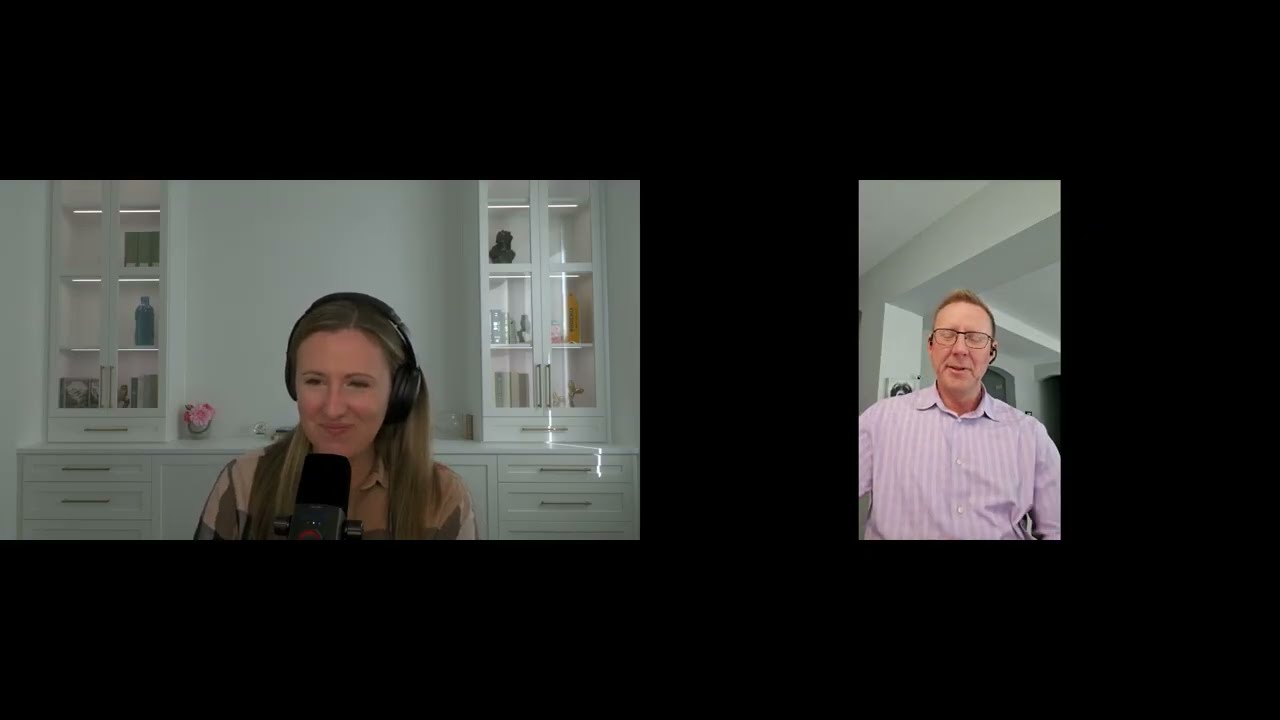
Host Paloma Goggins of Nocturnal Legal interviews leadership coach and consultant Ryan Maniey about how owner dependency, stress, and burnout can block business growth and reduce exit value in mergers or sales. Using real-world scenarios, they discuss how founders get trapped in a “grit” mindset, why revenue is a lagging indicator of people, systems, and processes, and how overcapacity can drive quality issues, turnover, and deal risk during acquisition. Ryan shares ways to self-identify burnout through symptoms like loss of curiosity, sleep problems, and digestive issues, and emphasizes visualizing what you want your exit to look and feel like. They also cover first-time leadership transitions, the importance of culture, SOPs, and creating a clear vision to retain A-players, ending with a brief cameo by Ryan’s dog, Chico.


 RSS Feed
 Paloma Goggins: [00:00:00] Going back to another episode of Merger she wrote. I'm Paloma Goggins, your host and the owner of Nocturnal Legal. Today. My guest specializes in leadership coaching and consulting work, and he is going to really spotlight the potential for owner dependency in businesses and how stress and burnout can be a real, I would say, hurdle to building, scaling, and exiting your business.
Paloma Goggins: I'd like to welcome Ryan Manie to the show. Thanks, Ryan, for being on today.
Ryan Mainey: Really excited to be a part of the, uh, the podcast with you, Paloma and, uh, yeah, and, and always love talking about the, these topics.
Paloma Goggins: Yeah. So I'm gonna dive right in, like my last couple of episodes. We are gonna use the advisor Spotlight time to go over a couple of case studies or examples.
Paloma Goggins: And so Ryan and I will go back and forth in talking about these different scenarios that I've seen and he's seen with working with clients. And so I'd like to say these are kind of. Broadly based off of experiences we've seen and don't [00:01:00] depict anyone individually. So I will kick things off. I'd like to talk first about, I think owner dependency can really be the biggest boon to selling a business.
Paloma Goggins: And it presents a hurdle that I think many people don't realize how big the hurdle is until they're actually in the process of selling. And so recently I was having a conversation with an individual. She has a very successful business. Um, but she was kind of disclosing to me, you know, she has a lot of these very personal relationships.
Paloma Goggins: Most of the clients, they are dependent on calling and talking with her. The relationship is very one-to-one, and she does have some individuals helping her that are part of her team, but they aren't people who alleviate the one-to-one nature of these relationships. And so inevitably the conversation revolved around, okay, what happens if I want to start thinking about and planning to sell my business?
Paloma Goggins: Which is something that I like. To work with [00:02:00] clients on, well in advance of a sale because if we do that in advance, instead of building the plane while we're flying it, we can build it and then fly it. So, you know, Ryan, I think my first question for you is, in a situation or scenario where an individual has a ton of owner dependency and, and maybe they're aware of it, maybe they're not, I think in most cases, a lot of owners.
Paloma Goggins: Um, no. There's dependency. What are some things?
Ryan Mainey: Yeah, they're probably proud of it, right?
Paloma Goggins: Yeah, I'm sure. Yeah. What are some things that, you know are the first kind of discussion points for you when talking with them from your perspective on how to start alleviating some of this and also step into a more.
Paloma Goggins: Functional leadership role 'cause right? Like that's the broken piece of things.
Ryan Mainey: Yeah, no, that it's, it's, it's a really good point and, uh, and it really, the owner dependency is a great way to put it, Paloma, because there's two things that'll put 'em into, into this frame of reference where they need to start thinking about things differently.
Ryan Mainey: So one is the value of their firm. Right. Uh, or their business. [00:03:00] And then, then they start thinking about it. Well, if I'm the value of a firm, then when they buy it, I'm gonna have to work for it, and that's not what I wanna do. Right? Um, but then the, the other way they get into this frame of reference is when they want to grow their business and, um, and they are in the throes, uh, on, on the threshold of burnout, right?
Ryan Mainey: Because they have this, this self-limiting mindset that's internally driven that says things like. I'm the only one who can, it's easier if I do it myself. I don't have time to train somebody else. And so all of those things get in their way. Meaning that they just keep putting the burden on themselves and, uh, and then they, they just keep, you know, kind of running into this, this massive speed bump over and over again.
Ryan Mainey: And what becomes really precarious is in this crazy American culture of ours. Um, there's that notion of grit and just power through, and which is a really powerful, um, motivator. And, and what I would submit to you is that, that that mo notion of grit is really, it's [00:04:00] a tactic, not a strategy. And if you're gonna sell your business or merge, um, there needs to be an abundance of strategy, um, in, in very important personal strategies for that owner that is in that owner depen dependency dilemma.
Paloma Goggins: I love this idea of grit and just pushing through because it's so true. It's so unanimously applicable to so many owner operators out there. And also the American dream. The American hustle, right? It's like it just encapsulates what the industry is like. And so when you're speaking with individuals who are feeling burnt out, right, because they are wearing a million hats.
Paloma Goggins: They haven't diversified their team. They don't have systems and processes in place like they're just at this level of burnout. How do you get them to shift their mindset or start thinking, how do I get out of this grit and just push through? Kind of mode of operation.
Ryan Mainey: Yeah. Uh, that, that's a, that's a really good question because it [00:05:00] has to be self-identified.
Ryan Mainey: It, it really is not something that they can, that somebody can point to 'em and say, Hey, this is going on, because there's this healthy abundance of denial. And, and then again, that mindset gets in their way. Um, but they have to discover it themselves. Right. And it, and it's through some open-ended questions to where I can help them discover things where it's like, okay, well, how's that working for you?
Ryan Mainey: When, when their, their answer is to do it all themselves. How is that working for you? And then the one that always gets in Paloma is, is the one that says, okay, let's say tomorrow you got 20% more clients or 20% more revenue into the pipeline. What happens? And, and that's what, where they love the dollar signs to it, but then when they think of the delivery.
Ryan Mainey: That's where they go. Oh yeah. Right. And um, and there's still times where questions like that don't get 'em to realize it. And so then they, they run into that, that, um, that speed bump. And, uh, and the, the sad [00:06:00] reality is, is a lot of times what happens as they run into that, they put the pressure on themselves and then they serve the people in their business and their clients in, in a version that is less than.
Ryan Mainey: What they intended to be. Right? And so the repercussions are pretty significant. 'cause what then they, they end up doing is they, they end up, um, overburdening their star performers, um, overworking themselves, and then all of a sudden you have this mass exodus of top talent as well as clients that were important to you.
Ryan Mainey: And that really just affects the, the value of the business.
Paloma Goggins: You hit on something that I think I'd like to just pause and go back to, which is getting to this place of, okay, I want more revenue. But then when the reality of that question, which is like, okay, if I gave you more revenue, what are you gonna do to be able to service it?
Paloma Goggins: Because I feel like a lot of people who are on their way. To selling their business. They always want to increase the valuation. They wanna increase the dollar amount. Mm-hmm. They get [00:07:00] for selling their business, but they on their route to that. All they can think about is increasing the amount of business they have coming in, but they're not thinking necessarily about, okay, if that does happen, if I do turn on advertising or I do start, you know, hiring a sales team or whatever it might be for their industry, and then those people start actually converting the sales into work.
Paloma Goggins: Yeah. I see this so frequently in. Trades businesses, and especially one in particular in the valley over here in Arizona. Um, Ryan is not in Arizona. We'll, we'll, we'll get to his bio in a little bit here. Um, but I see it so frequently in the valley, which is that there are tons of landscaping businesses and they have really good intake.
Paloma Goggins: And they have really good advertising. They have really good content. And so it's just, you know, this churn and burn and also referrals are very strong. Mm-hmm. But the problem is, is their volume is [00:08:00] just take, take, take. And at some point they have to figure out how they can actually service all those clients.
Paloma Goggins: And inevitably, one of the biggest things we see as a hurdle for these growing, rapidly growing landscaping companies is they. Inevitably fall behind. They've overstretched their capacity. They have too few guys, and there's too many projects. You know, there's not enough oversight, there's no project manager, you know, and, and it's usually a skeleton crew.
Paloma Goggins: So you've got like, you know, five open warranty issues on one side of the valley. You've got five new projects on the other side.
Ryan Mainey: Yeah.
Paloma Goggins: And so I guess going back to like some of the, the, the leadership and the. Stress and burnout, stuff that you work on with a lot of your clients, like where do you even start?
Paloma Goggins: Because some of these businesses that I work with, I feel like they're in such a hole by the time I get to them and they're ready to just be done because they've gotten to a place where they're like, I can't. Sustainably do this and still have my family support me. [00:09:00]
Ryan Mainey: Yeah. Right. That's, that's a really good point and a really sad reality to get into.
Ryan Mainey: Um, you know, it's, it's kinda like that analogy you said first is, is that, you know, we're gonna try and build this plane while we're flying through the air, and that, that becomes very precarious. Right. And I thi I think it has a lot to do with the fact, and this happens a lot in the trades. And, and I do work out there in the, in the valley in Arizona quite a bit as well.
Ryan Mainey: And, um. Real business owners, real leaders of businesses, they understand that the value is not just the p and l, it's, it's the systems and the people in the business that produce that downstream revenue. Right? Revenue is a lagging indicator. Uh, the leading indicators are the people and the systems and the processes that produce that lagging indicator.
Ryan Mainey: And so the real, the real successful leaders that. Build sustainable businesses, build businesses. It can either be generationally passed off or sold, are the ones that know and understand that, that the value is coming not just through the p and l, but also the people. Right. And they, and they have a very, um, they own the, the [00:10:00] responsibility.
Ryan Mainey: Uh, of those people by saying, Hey, this is, um, this is the growth we can deliver with the size of our company right now. And as the leader and owner of this company, I'm not gonna take on growth unless we can do it in a way that feels like this. Right. Um, and, and real leaders and real owners have to balance that tension between us, not about the money, but it's kind of about the money.
Ryan Mainey: And the, the balance between those two things is the systems and the processes and the people in your business. Right. And so, uh, so yeah, so the, the ones that I've seen be successful, uh, you know, the construction company I'm thinking about out there in Arizona, um, from the, you know, you know, there are over, over a hundred million dollars now, but back when we first started working with them in 20, at at a $20 million value, the owner was very.
Ryan Mainey: Focused on that. He's like, you know what? We're, if, if growing means we sacrifice the culture and what makes us different as a construction company, then we're not gonna grow. [00:11:00] And so that, just that statement alone invites those leaders in his business. To say, yeah, I think we can grow and protect that culture, and that culture is, is the people and the systems and the process and the way we work together.
Ryan Mainey: And so they're very intentional about that, right? Um, and so, but the, the sad reality though, Paloma, is that most, most businesses don't think about it that way. Right? And, and they get seduced into thinking that, okay, my business is worth this much. And if I just. Work one more a year, right? Or if I just turn on the spigot one more time, if I turn on marketing one more time, I get my valuation to this point, then I can do that.
Ryan Mainey: Right? Then I can sell or then I can do this and then I can fund this other thing or whatever. Um, but they, they just lose track of, of, you know, that that revenue number that they're targeting is a downstream effect of. The people, the processes and the systems in the business. So they just have to be thoughtful.
Ryan Mainey: The ones that are successful are the ones that are [00:12:00] thoughtful and that that grit is a tactic to get 'em through some of the steps of that strategy to get them to the place to where we're delivering at this level. And we're delivering it in this way, which is what your culture and your people, and your systems and your processes are.
Ryan Mainey: Um, and then, then what they see is, is a real value to their business. Because I can, I can hand over a system, I can hand over a team of people that are trained and equipped in a system that's real value, right? If I don't hand that over, if, if it's just kind of this big. Awkward looking family of people that generate this, this ambiguous result.
Ryan Mainey: The the business valuation is gonna go down.
Paloma Goggins: There is so much good stuff to unpack. There I was. I have like three follow up questions. I'm like trying to decide where I'm gonna start with it, but I think one of the things, okay, where I wanna start first is I think your point about [00:13:00] having this mindset about your culture being.
Paloma Goggins: One of the most important components of your success and it being lost on so many business owners because mm-hmm. They do continue to use the grit methodology, not just for themselves, but for their, their employees as well. And in the process. A lot of people lose really good talent. They're A players because the A players aren't going to put up with, let's just push through.
Paloma Goggins: We don't need to add more employees. I mean, I've even seen it at. Large corporations where I've worked in the past where, you know, we could have used two more employees and instead we're, we're just running behind constantly and everyone's really disgruntled and it just doesn't work for morale and culture.
Paloma Goggins: And at the end of the day, I think your point about having that be the priority also. I think should be something that if you're listening to this and you are an owner, you know, if you lose your A players along the growth of your business and then try and sell and you don't have your A players, you have your B and your [00:14:00] C players, someone is going to devalue your business as a result because they will be able to see the difference that, you know, your A players left or maybe even they, they leave as you're going through the sale process.
Paloma Goggins: That's even worse. I've seen that happen. Mm-hmm. Where. Individuals are just completely fed up. They've told you they're fed up and you push and you push, and then the acquisition starts happening. And instead of you giving everyone grace, you give them additional tasks related to the acquisition on top of their regular job, and it's just pushes them over the edge.
Paloma Goggins: And then those people leave and all of a sudden the deal is at jeopardy because the buyer's like. You lost three employees in the 60 days that we were trying to acquire this business. How many more am I gonna lose post-closing? Mm-hmm. Um, so I think that is a really solid point that you've made. I wanna talk briefly about kind of what you were saying, tying this all back in together with the whole stress and burnout piece of this.
Paloma Goggins: Is there a way for someone to self-reflect and get a better grasp on when [00:15:00] burnout is getting so bad that it's going to prevent them from continuing to operate or build the business before selling is an option? I use this question because I was working with a construction based company. The owner had really been operating the business with a couple of people helping, but really was the main show, right?
Paloma Goggins: Mm-hmm. And he was ready to sell, and he was so burnt out by the time he was ready to sell, that the amount of work that needed to be done to prepare it for sale, I mean. Every single system and process was all in his head. There wasn't a single thing written down. There's no one else in the business that's like, you know, shadowing him or being an apprentice.
Paloma Goggins: There's, I mean, this lack of ability to like hand over the operations manual or Bible to say, okay, this is how you do this job that you're essentially acquiring. Mm-hmm. I think from a self-awareness standpoint, you know, with a lot of [00:16:00] individuals struggling to see the. Trees from the forest. What are some things that people can do in their business to try and self evaluate, to, to see the, the red flags, the warning signs so that they can start shifting and seeking out people like yourself to help guide them on essentially avoiding that apex of burnout, which could fold the whole business, right?
Paloma Goggins: They just decide to walk away and not sell and, and lose all that income.
Ryan Mainey: Yeah. And, and sadly that's, that's the reality. So a lot of my background has been in, in medical, so working with physicians and, and one of the biggest travesties, and this happens across a lot of professional services, you know, lawyers, attorneys, you know, engineers.
Ryan Mainey: They, they spent so much time in their education system getting these credentials and qualifications to this really high IQ stuff. Um, and then the first big decision they have after they get their degree is like, do I, do I own my own? Do I run my own business or do I join another business and try and play within their sandbox?
Ryan Mainey: And, um. And I've seen it all over the place in professional services to where somebody had, in, in the [00:17:00] medical realm, somebody has the, this gift to heal, which is amazing, right? And the world needs that. And great physicians are curious, right? But the first thing that goes out when you're starting to burn out is curiosity.
Ryan Mainey: Um, because you have no energy for it. You have no juice for it, right? And so when that curiosity burns out, then comes sleep and digestive issues. And those are the sneaky ones that sneak up on people. Um, you know, if, if your sleep and your digestion is not working well, uh, that those are indications that your body is, is, is in self preservation mode.
Ryan Mainey: It's not, it's not repairing itself. It's not, it's not doing the things it needs to do. But, um, those symptoms, what they are doing is they, they're pulling energy and resources away from you being your best self, right? So the, the two steps, I would, I would say, to anybody to kinda self-diagnose and to go to that merger, sell acquisition place in, in a better place so that they can be more successful and get those numbers that they're looking for.
Ryan Mainey: Um, first is to be aware of the symptoms, right? The, the [00:18:00] lack of curiosity, the, uh, the sleep and the digestive issues. And then the second piece is to start to visualize what you want that exit to look like, right? Not the dollar amount. What you want it to look like when you sign those papers and sell that business, or when you sign those papers and transfer it to your next generation, or when you sign those papers and you walk away.
Ryan Mainey: Right. What do you want it to look like and feel like for you as the individual, as the owner that's, that's driving that ship? You know, when I, when I work with leaders in their business, one of the things that's often overlooked, 'cause they get so dialed into the details of the business, that they forget that they have to be the captain of the ship.
Ryan Mainey: They have to look at that, they have to have that clarity of where that destination is so that they can navigate and get around the storms and so forth. And, and a lot of times in the business, because they get so, and this is what happened with physicians. They get so consumed by all the details of the business and the payroll and the insurance and this, that, and the other.
Ryan Mainey: They [00:19:00] lose sight of where their ship is going. Right. And so that's the most important thing that a leader needs to have clarity on is where is this business going? And, uh, not only do they need to have clarity for themselves, for their own peace of mind so that they can make decisions and be successful, but if you're gonna get people behind you right, to bring their best selves to your business, whatever it is, in the trades, in construction, in, in legal firms, they have to have a sense that your ship, this business that they're joining.
Ryan Mainey: This ship is going in a direction that is appealing to them, right? Um, you know, a lot of times I say people work with their feet in their hands, but they follow with their hearts and their minds, right? So if you want their best work, you have to, you have to tag all four of those, as as a leader, as you engage your people.
Paloma Goggins: So true. And I was gonna say to add to your list, like this idea that the ship is supporting where they wanna go too, I think is so lost sometimes [00:20:00] on Yeah. Owners and operators because. At the end of the day, I was reading this book about, um, leadership by Brene Brown, and she was saying how, you know, you should really focus on being transparent, being honest, being, um, vulnerable, right about your goals.
Paloma Goggins: In the business, but also then appreciate and realize that your goals, while it's important to share them, so that they can, you know, your employees and the people you work with, can align with your goals and understand where you're going and why you wanna go there. But also, mm-hmm. Make sure that what you're doing in your business also provides the ramp or the the exit for them, right.
Paloma Goggins: To essentially grow in leaps and bounds. Like perhaps an employee's goal is to, you know, raise up their experience in a certain faction of the business or, you know, manage people at some point or whatever that might be. Right? Yeah. Um,
Ryan Mainey: right.
Paloma Goggins: So I think that's a really excellent point that you made. [00:21:00]
Ryan Mainey: Oh, I appreciate that.
Ryan Mainey: Yeah, Brene Brown's one of my favorites, so reading one of hers, uh, right now with my team and, uh, yeah, it, it's, it's really fantastic. But yeah, vulnerability. Um, is, is a really important sign. And if you think about those leaders who have really influenced you in a positive way in the past, um, it's not that they knew all the answers, right?
Ryan Mainey: In most cases, it's those leaders who have had the biggest impact on us are the ones who have led us through some turmoil or something unexpected. And that's, that's when leaders really earn their stripes. Um. And, uh, you know, it's just, yeah. The, the, the, the whole concept of being vulnerable is, is an important piece in, um, inviting people, right?
Ryan Mainey: Inviting your team to be a part of the solution. Not that, um, you know, that they have to have all the answers. And, and what, what's funny, Paloma is that most leaders, they get to that point because they've, they've. Haven't been exposed to great small and medium sized business [00:22:00] leadership, right? So very few people wake up in the morning and say, oh, I can't wait to suck as a leader.
Ryan Mainey: Right? Not many people do that. So, uh, they get there by accident because they don't know any better, right? Or because they're burnt out. And when you're burnt out, you're not your best version of yourself. And so that, that's why I'm, I'm so committed to talking about these things and, you know, getting the message out there around burnout because, um, if you are in a position to lead a team, uh, or lead a business, you have an incredible opportunity to engage the hearts and minds of people so that they can, you can serve those people well.
Ryan Mainey: And when you serve people well that are on your team. They will serve their communities better and that sends a very powerful ripple, um, throughout the community and right. And America is still built on small and medium sized business, even though mergers and acquisitions are happening on a major, major scale right now around consolidation.
Ryan Mainey: Um, still the small and medium sized businesses, the heartbeat of America. And when we can do that well, uh, we can really have a powerful impact.
Paloma Goggins: Absolutely. I think people underestimate [00:23:00] how, how busy the, you know, small to medium sized business acquisition and disposition market, right? Like on both sides.
Paloma Goggins: The, the boomer generation, um, is literally handing hundreds of millions of dollars over to the next generation right now. And if you're not part of it. Um, you're, you're, you're missing out as a seller because you're not taking your life's work and getting the pension you deserve from it. Mm-hmm. But if you're not a buyer, you know, there's a chance that some of these businesses we're, we're seeing it in Tucson.
Paloma Goggins: Tucson is experiencing a lot of business closures. Um, and so a lot of small businesses are just closing shop and the owners are retiring. And I think, you know, generally speaking. Some of it is a lack of knowledge around the fact that there is value even in the very small brick and mortar mom and pop shops mm-hmm.
Paloma Goggins: That are on Main Street. Right. But also they're the [00:24:00] lifeblood of America in many ways. I mean, we've seen out in our area of the Valley, which is in the west side, lots of growth in the last year. However, it's growth from corporations and of course the biggest complaint is. Where are all our local businesses and
Ryan Mainey: yeah,
Paloma Goggins: the reality is, is local business requires local support and in order for this kind of turning of the, the.
Paloma Goggins: Uh, guardsman, uh, you know, over and over I think this, this turnover of the boomer generation is just one in many of a series that hopefully we'll continue to pass wealth on from generation to generation. And so I'll get off my soapbox, but, um, uh, I obviously I'm soap, very passionate. A yeah, very passionate.
Paloma Goggins: Um, I, so I, before you know. I think maybe I was gonna switch gears a little bit here because I was thinking about, as you were talking about leadership and managing people and how nobody wakes up and says, I wanna suck as a leader today, which I love that. Um, [00:25:00] I think one of the things that I see in some of the businesses that I work with on.
Paloma Goggins: Growth and scaling and supporting them from the legal side, you know, as they continue to evolve in preparation someday for sale, right? Mm-hmm. I always say it's never too easy to start planning for the exit. I always say start with the end in mind, even when you're just, yeah, starting your business, it makes it so much easier.
Paloma Goggins: Mm-hmm. And one of the biggest things I see with these solo entrepreneurs that are doing so well financially. And they're growing at a rate that is just so fast that they can't really sustain it all by themselves, and they start hiring people. I feel like they hire people to solve for the dilemma of they can't do it all, but they haven't put the systems or the processes in place, and so they're just.
Paloma Goggins: Kind of, uh, 9 1 1 hires, right, like their emergency. Mm-hmm. Like fire, fire, like try and get a fire put out kind of situation.
Ryan Mainey: Yeah.
Paloma Goggins: Um, [00:26:00] I was gonna say firefighting, I just wasn't coming to mind. Um,
Ryan Mainey: yeah.
Paloma Goggins: But so for someone who, you know, and then they hire and, and I feel like sometimes it's good, sometimes it's bad, but for someone who is managing people for the very first time.
Paloma Goggins: And, and I've even experienced this myself in my own business because it's, of course the transition from solo ownership to managing a small team or even just managing one person mm-hmm. Is significant. What are some things that you could suggest for first time managers to make a. Stepping into leadership for the first time.
Paloma Goggins: More smooth or more successful.
Ryan Mainey: Yeah, no, that's, that's a fantastic question. Pull up. And, uh, it's something I'd, I'd love dealing with. 'cause, uh, that's a, that's a big, that's a big step. And, and for those businesses, those solopreneurs that are trying to set up their businesses for sale and, and they do need to scale.
Ryan Mainey: Um, here, step number one is, is a really important realization. And that is that. When you move from individual contributor or, or, or sole entrepreneur to [00:27:00] a leader of a team or a business, uh, it's no longer about you. It's all about those people that you hired, right? Whether it's one person or if it's 15, it's about them Now.
Ryan Mainey: It's not about you, right? And so that's the first meant mind shift, which is, it's, it's not about you being the expert or the owner or the, you know, all the things. It's, you, uh, are a servant now, and you want to deliver clarity to those people so that they can bring their best work that helps you run that business and, and get, get to that cool new destination that your ship is trying to get to.
Ryan Mainey: Right? Um, and then, and then step two, once you own, once you own that fact that. That, yes, that you know, that we're gonna go in that direction and that I'm, it's no longer about me. Then the second piece is really about where is this boat going? Right? You've gotta talk vision to your team about, you know, why does this work matter?
Ryan Mainey: Because if you don't, if it is just a transaction of [00:28:00] time for money, right? Whether it be for an administrator or bookkeeping, or fill in the blank, if it's just a transaction for time or money, then guess what? That person will leave the second. They can get 5 cents more an hour. And that puts you into, you know, something that really frustrates business owners, which is turnover.
Ryan Mainey: Turnover is very expensive. That affects the value of the bottom line of your business. If you're spending 20% of your time dealing with turnover, rehiring people, um, that is lost money that is will not come back. Right. That's not an investment that's just lost, so,
Paloma Goggins: yes.
Ryan Mainey: Yeah. So it'd be those two things, right?
Ryan Mainey: It'd be first is understand that now that you're leading a team or a business, it's no longer about you Second. Is that you have to create a vision for why that work matters. Why they're there, why should they contribute their work to you?
Paloma Goggins: Well, and I think your point about needing to retrain and rehire [00:29:00] being this huge cost center, I mean the process of finding talent, hosting a job, interviewing candidates.
Paloma Goggins: You know?
Ryan Mainey: Mm-hmm.
Paloma Goggins: Going through the process of, of finding the talent, let alone hiring them and training them. Uh, if anyone has gone through that, they know firsthand that losing someone that had, they've gone through that whole process and you've spent time training them, I think underlines the importance of, if you're not setting in place a system where the individual you currently have on your team is either going to hi, you know, train the new hire.
Paloma Goggins: Or there's already SOPs or something that they're putting together to help bridge the gap on your next employee, then I think you're missing out potentially on a huge, uh, operational process and system that helps you in the long run.
Ryan Mainey: Yeah, totally agreed Paloma, and that, that brings to mind, uh, how many small business owners they.
Ryan Mainey: They hire somebody. And it's, so, it's, it's on the job training, right? With air quotes on the OJT. Yes. OJT. [00:30:00] Um, but that is, that is just not the truth, right? That that really slows people down. At some point, you've gotta get your systems and processes down on the paper. Um, and it doesn't have to be perfect, right?
Ryan Mainey: Invite those other people to make it better. Right. So if I can at least get the process started, says, here's what success looks like for this role here. I invite you to make it better. That's why you're here. That's why I hired you. Um, you know, and that, that, again, that's why it's so important to cr to lead the business in, in, you know, uh, one of, one of my, uh, favorite leaders I've worked with in the past is you can't, you can't work on the business if you're in the business, right?
Ryan Mainey: And so at some point at as a leader, you, your role changes. It's no longer about delivering that incredible accounting work or delivering that leadership work. It's, it's more about leading and inspiring your team to deliver that work, and now you are accountable for their growth and development and for the growth and development of your business as an organism.[00:31:00]
Paloma Goggins: It's so true. Very true. Well, I really appreciate your insights today, Brian. Why don't you share a little bit more about your business and how people can find you?
Ryan Mainey: Awesome. No, I appreciate that, Paloma. So, yeah, so, uh, so XM performance is dedicated to making small and medium sized businesses the best places in America to work.
Ryan Mainey: And, uh, we're about to go global. So we do have some customers that are working down in South America now, which is exciting too, but we're still just focused on America. For now. Yeah. Um, but it's really about, uh, equipping those leaders to, to with the skills to get people to bring their best work to them.
Ryan Mainey: And, and what we found is that as we engage leaders to, to do incredible work and to get really ignite the vision behind their business, when they can equip their teams, then they grow faster, they grow in very sustainable ways. Uh, they get great talent around them. And then most importantly, and not only serve their communities at work better, but they can serve their communities at home better.
Ryan Mainey: That's, that's what really makes me wake up in the morning. That's why I like talking about [00:32:00] burnout, um, because in, in the absence of leadership, that's what happens. And that's very sad. So every one of your listeners is out there, has a really important gift for this world and, uh, and I wanna make sure that the, that the world gets all of that gift.
Paloma Goggins: Well said. Well, I really appreciated you having you on today, and thank you so much for making the time, Ryan.
Ryan Mainey: My pleasure, Paloma, really fun talking with you.
Paloma Goggins: Yeah, likewise. Well, thank you for tuning in. If you enjoyed this episode, please subscribe to our channel and comment on one of our social channels.
Paloma Goggins: If you have any questions about this episode or have things that you're working through, we always love to interact Post episode. Tune in next week for another episode of Murder. She wrote, um, I'm gonna, I was gonna hit stop. Do you want I can add at the end of this 'cause I have people who will edit the video.
Paloma Goggins: Do you want to put the Chihuahua on video? And we will put her in at the, or put him, is it him, Nico, right?
Ryan Mainey: It's him, yeah. Chico. It's him,
Paloma Goggins: Chico. Uh, we'll put him [00:33:00] in at the end to say what he, we had a, like a guest, guest background. Uh, vocals we're featured by Chico. To be honest, it will humanize the episode even more than, uh, than just very
Ryan Mainey: cool.
Ryan Mainey: Let's do that. Well, and what's funny, so I've done. I've done some video posts with Chico, um, because I call him my esteemed colleague, Chico. Um, but what, as I was doing some, some content creation around burnout, um, one of the things that I talked about is, is um, is being present, right? And dogs are, dogs are so good at being present.
Ryan Mainey: You know when, when dogs are out walking, they're not, they don't care about when dinners come in. They, they're just presents like this smell. That smell and so, so dogs are great little coaches. So this is my esteemed colleague, Chico.
Paloma Goggins: Chico. And Chico is 18 years old, correct?
Ryan Mainey: Chico is 18 years old. Yep. His full name is [00:34:00] Chico Mojito, but that's only when he's in trouble.
Paloma Goggins: Oh, I love that. Yeah. Well, we appreciate guest, the guest appearance of Chico Mohito, and, um, you're looking to work on your leadership or burnout in your business. Reach out to Ryan, he's a great resource and can help you with all things related to leadership and burnout, working through both.
Ryan Mainey: Awesome.
Ryan Mainey: Thanks Paloma. Really fun talking with you.
Paloma Goggins: Likewise. All right.
Learn more about M&A legal strategy and deal support at https://nocturnallegal.com/
1
00:00:00.100 --> 00:00:17.180
[upbeat music] In the world of business, not all deals are what they seem. Fortunes rise, empires crumble, all with the stroke of a pen. Mergers, acquisitions, hostile takeovers.
2
00:00:17.760 --> 00:00:32.439
Welcome to Mergers She Wrote, where we examine strategies and stories behind the biggest deals in business. Because in M&A, the real risks are the ones you don't take.
3
00:00:36.449 --> 00:00:43.180
Welcome back to another episode of Mergers She Wrote. I'm Paloma Goggins, your host and the owner of Nocturnal Legal.
4
00:00:43.200 --> 00:00:57.760
Today, my guest specializes in leadership coaching and consulting work, and he is going to really spotlight the potential for owner dependency in businesses, and how stress and burnout can be a real,
5
00:00:58.700 --> 00:01:09.380
I would say, hurdle to building, scaling, and exiting your business. I'd like to welcome Ryan Maney to the show. Thanks, Ryan, for being on today. Really excited to be a part of the, uh, the podcast with you, Paloma.
6
00:01:09.660 --> 00:01:15.220
And, uh, yeah, and, and always love talking about this, these topics. Yeah. So I'm gonna dive right in.
7
00:01:15.340 --> 00:01:22.500
Like my last couple of episodes, we are gonna use the advisor spotlight time to go over a couple of case studies or examples.
8
00:01:22.550 --> 00:01:29.370
And so Ryan and I will go back and forth in talking about these different scenarios that I've seen and he's seen with working with clients.
9
00:01:29.760 --> 00:01:38.900
And so I'd like to say these are kind of broadly based off of experiences we've seen and don't depict anyone individually. So I will kick things off.
10
00:01:39.700 --> 00:01:56.800
I'd like to talk first about, I think owner dependency can really be the biggest boon to selling a business, and it presents a hurdle that I think many people don't realize how big the hurdle is until they're actually in the process of selling.
11
00:01:57.340 --> 00:02:09.680
And so recently, I was having a conversation with an individual. She has a very successful business. Um, but she was kind of disclosing to me, you know, she has a lot of these very personal relationships.
12
00:02:10.120 --> 00:02:14.700
Most of the clients, they are dependent on calling and talking with her.
13
00:02:15.350 --> 00:02:26.700
The relationship is very one-to-one, and she does have some individuals helping her that are part of her team, but they aren't people who alleviate the one-to-one nature of these relationships.
14
00:02:26.740 --> 00:02:42.280
And so inevitably, the conversation revolved around, okay, what happens if I want to start thinking about and planning to sell my business, which is something that I like to work with clients on well in advance of a sale, because if we do that in advance instead of building the plane while we're flying it, we can build it- [laughs]...
15
00:02:42.360 --> 00:02:55.840
and then fly it. So, you know, Ryan, I think my first question for you is, in a s- situation or a scenario where an individual has a ton of owner dependency, and, and maybe they're aware of it, maybe they're not.
16
00:02:55.900 --> 00:03:03.020
I think in most cases- [laughs]... a lot of owners, um, know there's dependency. What are- Yeah. They're probably proud of it- What are some things-... right? Yeah. Uh, I'm sure. Yeah.
17
00:03:03.060 --> 00:03:17.740
[laughs] What are some things that, you know, are the first kind of discussion points for you when talking with them from your perspective on how to start alleviating some of this, and also step into a more functional leadership role?
18
00:03:17.810 --> 00:03:21.580
'Cause right? Like, that's the broken piece of things. Yeah.
19
00:03:21.620 --> 00:03:32.240
No, that, it's, it's, it's a really good point, and, uh, and it really, the owner dependency is a great way to put it, Paloma, 'cause y- there's two things that'll put them into, into this frame of reference where they need to start thinking about things differently.
20
00:03:32.310 --> 00:03:35.710
So one is the value of their firm, right? Uh, or their business.
21
00:03:36.220 --> 00:03:43.300
And then, then they start thinking about it, well, if I'm the value of the firm, then when they buy it, I'm gonna have to work for it, and that's not what I wanna do. Right?
22
00:03:43.980 --> 00:03:54.120
Um, but then the, the other way they get into this frame of reference is when they wanna grow their business, and, um, and they are in the throes, uh, uh, on the threshold of burnout, right?
23
00:03:54.320 --> 00:04:05.500
Because they have this, this self-limiting mindset that's internally driven that says things like, "I'm the only one who can. It's easier if I do it myself. I don't have time to train somebody else."
24
00:04:05.900 --> 00:04:07.920
And so all of those things get in their way,
25
00:04:08.920 --> 00:04:18.560
meaning that they just keep putting the burden on themselves, and, uh, and then they, they just keep, you know, kind of running into this, this massive speed bump over and over again.
26
00:04:19.140 --> 00:04:30.860
And what becomes really precarious is in this crazy American culture of ours, um, there's that notion of grit and just power through and, which is a really powerful, um, motivator.
27
00:04:30.890 --> 00:04:37.330
And, and what I would submit to you is that, that, that mo- notion of grit is really, it's a tactic, not a strategy.
28
00:04:38.180 --> 00:04:50.300
And if you're gonna sell your business or merge, um, there needs to be an abundance of strategy, um, in, in very important personal strategies for that owner that is in that owner depend- dependency dilemma.
29
00:04:51.840 --> 00:05:05.500
I love this idea of grit and just pushing through because it's so true. It's so unanimously applicable to so many owner-operators- [laughs]... out there, and also the American dream, the American hustle, right?
30
00:05:05.580 --> 00:05:13.840
It's like it just encapsulates- Mm-hmm... what the industry is like. And so when you're speaking with individuals who are feeling burnt out, right?
31
00:05:13.860 --> 00:05:23.240
Because they are wearing a million hats, they haven't diversified their team, they don't have systems and processes in place, like they're just at this level of burnout.
32
00:05:23.280 --> 00:05:33.320
How do you get them to shift their mindset or start thinking, how do I get out of this grit and just push through kind of mode of operation? Yeah.
33
00:05:33.900 --> 00:05:38.380
Uh, that, that's a, that's a really good question because it has to be self-identified.
34
00:05:38.680 --> 00:05:49.650
It, it really is not something that they can, that somebody can point to them and say, "Hey, this is going on," because there's this healthy abundance of denial, and, and then again, that mindset gets [laughs] in their way.
35
00:05:49.720 --> 00:06:00.600
Um, but they have to discover it themselves, right? And it, and it's through some open-ended questions to where I can help them, you know, discover things where it's like, "Okay, well, how's that working for you?" Right?
36
00:06:00.780 --> 00:06:04.840
When, when their, their answer is to do it all themselves, how is that working for you?
37
00:06:04.900 --> 00:06:17.680
And then the one that always gets 'em, Paloma, is, is the one that says, "Okay, let's say tomorrow you got 20% more clients or 20% more revenue into the pipeline. What happens?" And, and that's what...
38
00:06:17.700 --> 00:06:24.320
Where they love the dollar signs to it, but then when they think of the delivery, that's where they go- Mm-hmm... "Oh, yeah." Right?
39
00:06:25.100 --> 00:06:33.060
And, um, and there's still times where questions like that don't get them to realize it, and so then they, they run into that, that, um, that speed bump.
40
00:06:33.940 --> 00:06:48.380
And, uh, and the, the sad reality is, is a lot of times what happens i- as they run into that, they put the pressure on themselves, and then they serve the people in their business and their clients in, in a version that is less than what they intended to be, right?
41
00:06:49.100 --> 00:07:06.160
And so the repercussions are pretty significant, 'cause what then they, they end up doing is they, they end up, um, overburdening their star performers, um, overworking themselves, and then all of a sudden you have this mass exodus of top talent a- as well as clients that were important to you.
42
00:07:06.800 --> 00:07:09.280
And that really just affects the, the value of the business.
43
00:07:10.940 --> 00:07:27.230
You hit on something that I think I'd like to just pause and go back to, which is getting to this place of, "Okay, I want more revenue," but then when the reality of that question, which is like, "Okay, if I gave you more revenue, what are you gonna do to be able to service it?"
44
00:07:27.830 --> 00:07:36.800
Yeah. Because I feel like a lot of people who are on their way to selling their business, they always want to increase the valuation, they wanna increase the dollar amount- Mm-hmm... they get for selling their business.
45
00:07:37.400 --> 00:07:39.560
But they, on their route to that,
46
00:07:40.680 --> 00:08:01.840
all they can think about is increasing the amount of business they have coming in, but they're not thinking necessarily about, "Okay, if that does happen, if I do turn on advertising, or I do start, you know, hiring a sales team," or whatever it might be for their industry, and then those people start actually converting the sales into work.
47
00:08:02.380 --> 00:08:14.220
Yeah. I see this so frequently in trades businesses, and especially one in particular in the Valley over here in Arizona. Um, Ryan is not Arizona. We'll, we'll, we'll get to his bio in a little bit here.
48
00:08:14.700 --> 00:08:27.660
[laughs] Um, but I see it so frequently in the Valley, which is that there are tons of landscaping businesses. And they have really good intake, and they have really good advertising, they have really good content.
49
00:08:27.680 --> 00:08:33.260
And so it's just, you know, this churn and burn, and also referrals are very strong. Mm-hmm.
50
00:08:33.270 --> 00:08:42.380
But the problem is, is their volume is just take, take, take, and at some point they have to figure out how they can actually service all of those clients.
51
00:08:42.420 --> 00:08:53.480
And inevitably one of the biggest things we see as a hurdle for these growing, rapidly growing landscaping companies is they inevitably fall behind. They've overstretched their capacity.
52
00:08:54.000 --> 00:09:00.660
They have too few guys, and there's too many projects. You know, there's not enough oversight. There's no project manager, you know.
53
00:09:00.700 --> 00:09:09.980
And, and it's usually a skeleton crew, so you've got, like, you know, five open warranty issues on one side of the valley. [laughs] You've got five new projects on the other side. Yeah.
54
00:09:10.030 --> 00:09:21.600
And so h- I guess going back to, like, some of the, the, the leadership and the stress and burnout stuff that you work on with a lot of your clients, like, where do you even start?
55
00:09:21.700 --> 00:09:29.320
Because some of these businesses that I work with, I feel like they're in such a hole by the time that- Mm-hmm... I get to them, and they're ready to just be done.
56
00:09:29.740 --> 00:09:40.140
Because they've gotten to a place where they're like, "I can't sustainably do this and still have my family support me." Yeah, right? That's, that's a really good point, and a really sad reality to get into.
57
00:09:40.260 --> 00:09:48.780
Um, you know, it's, it's kind of like that analogy you said first is, is that, you know, we're gonna try and build this plane while we're flying through the air. And that, that becomes very precarious, right?
58
00:09:48.790 --> 00:09:56.270
And I th- I think it has a lot to do with the fact... And this happens a lot in the trades, and, and I do work out there in the, in the Valley in Arizona quite a bit as well.
59
00:09:56.390 --> 00:10:10.140
And, um, the, real business owners, real leaders of businesses, they understand that the value is not just the P&L. It's, it's the systems and the people in the business that produce that downstream revenue, right?
60
00:10:10.240 --> 00:10:17.320
Revenue is a lagging indicator. Uh, the leading indicators are the people and the systems and the processes that produce that lagging indicator.
61
00:10:17.940 --> 00:10:30.940
And so the real, the real successful leaders that build sustainable businesses, builds businesses that can either be generationally passed off or sold, are the ones that know and understand that, that the value is coming not just through the P&L but also the people,
62
00:10:31.860 --> 00:10:45.340
right? And they, and they have a very, um... They own the, the responsibility, uh, of those people by saying, "Hey, this is, uh, this is the growth we can deliver with the size of our company right now.
63
00:10:45.800 --> 00:10:54.320
And as the leader and owner of this company, I'm not gonna take on growth unless we can do it in a way that feels like this." Right?
64
00:10:55.280 --> 00:11:01.680
Um, and, and r- real leaders and real owners have to balance that tension between it's not about the money, but it's kind of about the money.
65
00:11:02.600 --> 00:11:11.140
And the, the balance between those two things is the systems and the processes and the people in your business, right? And so, uh, so yeah.
66
00:11:11.220 --> 00:11:20.700
So the, the ones that I've seen be successful, you know, the construction company I'm thinking about out there in Arizona, um, from the, you know, you know, they're over, over $100 million now.
67
00:11:21.200 --> 00:11:28.720
But back when we first started working with them in 20, at, at a $20 million value, the owner was very, um, focused on that. He's like, "You know what?
68
00:11:28.780 --> 00:11:35.070
I'm, we're, if, if growing means we sacrifice the culture and what makes us different as a construction company- Mm... then we're not gonna grow."
69
00:11:35.850 --> 00:11:44.720
And so that, just that statement alone invites those leaders in his business to say, "Yeah, I think we can grow and protect that culture."
70
00:11:44.760 --> 00:11:52.560
And that culture is, is the people and the systems and the processes and the way we work together. And so they're very intentional about that, right?
71
00:11:52.640 --> 00:11:59.060
Um, and so, but the, the sad reality though, Paloma, is that most, most businesses don't think about it that way, right?
72
00:11:59.600 --> 00:12:07.172
And, and they get seduced into thinking that, "Okay, my business is worth this much, and if I just... work one more year, right?
73
00:12:07.372 --> 00:12:15.932
Or if I just turn on the spigot one more time, if I turn on marketing one more time, I get my valuation to this point, then I can do that, right?
74
00:12:16.002 --> 00:12:20.232
Then I can sell, or then I can do this, and then I can fund this other thing or whatever.
75
00:12:20.332 --> 00:12:32.492
Um, but they, they just lose track of, of, you know, that, that revenue number that they're targeting is a downstream effect of the people, the processes, and the systems in the business.
76
00:12:32.552 --> 00:12:37.342
So they just have to be thoughtful. The ones that are successful are the ones that are thoughtful, and that,
77
00:12:38.312 --> 00:12:52.172
that grit is a tactic to get them through some of the steps of that strategy to get them to the place to where we're delivering at this level a- and we're delivering it in this way, which is what your culture and your people and your systems and your processes are.
78
00:12:52.832 --> 00:13:05.812
Um, and then, then what they see is, is a real value to their business. Because, uh, I can, I can hand over a system. I can hand over a team of people that are trained and equipped in a system. That's real value, right?
79
00:13:06.152 --> 00:13:17.032
If I don't hand that over, if, if it's just kinda this big awkward-looking family of people that generate this, this ambiguous result, the, the business valuation is gonna go down.
80
00:13:19.372 --> 00:13:29.712
There is so much good stuff to unpack there. I was... I have, like, three follow-up questions. [laughs] I'm, like, trying to decide where I'm gonna start with it. But I think one of the things...
81
00:13:29.802 --> 00:13:47.422
Okay, where I wanna start first is I think your point about having this mindset about your culture being one of the most important components of your success and it being lost on so many business owners- Mm-hmm...
82
00:13:47.422 --> 00:13:53.972
because they do continue to use the grit methodology, not just for themselves, but for their, their employees as well.
83
00:13:54.132 --> 00:14:03.732
And in the process, a lot of people lose really good talent, their A players, because the A players aren't going to put up with, "Let's just push through. We don't need to add more employees."
84
00:14:03.752 --> 00:14:05.242
I mean, I've even seen it at
85
00:14:06.272 --> 00:14:17.592
large corporations where I've worked in the past where, you know, we could have used two more employees, and instead we're, we're just running behind constantly and everyone's really disgruntled, and it just doesn't work for morale and culture.
86
00:14:17.672 --> 00:14:39.422
And at the end of the day, I think your point about having that be the priority also I think should be something that if you're listening to this and you are an owner, you know, if you lose your A players along the growth of your business and then try and sell and you don't have your A players, you have your B and your C players, someone is going to devalue your business as a result- [laughs]...
87
00:14:39.432 --> 00:14:48.482
because they will be able to see the difference that, you know, your A players left, or maybe even they, they leave as you're going through the sale process. That's even worse. I've seen that happen- Mm-hmm...
88
00:14:48.912 --> 00:14:55.922
where individuals are just completely fed up. They've told you they're fed up, and you push and you push, and then the acquisition starts happening.
89
00:14:55.952 --> 00:15:04.142
And instead of you giving everyone grace, you give them additional tasks related to the acquisition on top of their regular job- Yeah...
90
00:15:04.142 --> 00:15:13.972
and it just pushes them over the edge, and then those people leave, and all of a sudden the deal is at jeopardy because the buyer's like, "You lost three employees in the 60 days that we were trying to acquire this business.
91
00:15:14.032 --> 00:15:21.812
How many more am I gonna lose post-closing?" Um- Mm-hmm... so I think that is a really solid point that you've made. I wanna talk briefly about
92
00:15:22.892 --> 00:15:27.512
kind of what you were saying, tying this all back in together with the whole stress and burnout piece of this.
93
00:15:28.892 --> 00:15:44.442
Is there a way for someone to self-reflect and get a better grasp on when burnout is getting so bad that it's going to prevent them from continuing to operate or build the business before selling is an option?
94
00:15:44.592 --> 00:15:57.712
I use this question because I was working with a construction-based company. The owner had really been operating the business with a couple of people helping, but really was the main show, right? Mm-hmm.
95
00:15:57.912 --> 00:16:15.042
And he was ready to sell, and he was so burnt out by the time he was ready to sell that the amount of work that needed to be done to prepare it for sale, I mean, every single system and process was all in his head. Oof.
96
00:16:15.042 --> 00:16:21.332
[laughs] There wasn't a single thing written down. There's no one else in the business that's, like, you know, shadowing him or being an apprentice.
97
00:16:21.372 --> 00:16:32.552
There's, I mean, this lack of ability to, like, hand over the operations manual or Bible to say, "Okay, this is how you do this job that you're essentially acquiring." Um- Mm-hmm...
98
00:16:32.672 --> 00:16:58.472
I think from a self-awareness standpoint, you know, with a lot of individuals struggling to see the trees from the forest, what are some things that people can do in their business to try and self-evaluate to, to see the, the red flags, the warning signs, so that they can start shifting and seeking out people like yourself to help guide them on essentially avoiding that apex of burnout, which could fold the whole business, right?
99
00:16:58.532 --> 00:17:08.732
They just decide to walk away and not sell and, and lose all that income. Yeah. And, and sadly that's the, that's the reality. So b- a lot of my background has been in, in medical, so working with physicians.
100
00:17:08.772 --> 00:17:21.132
And, and one of the biggest travesties, and this happens across a lot of professional services, you know, lawyers, attorneys, you know, uh, engineers, they, they spent so much time in their education system getting these credentials and qualifications to this really high IQ stuff.
101
00:17:21.732 --> 00:17:29.832
Um, and then the first big decision they have after they get their degree is like, do I, do I own my own, do I run my own business or do I join another business and try and play within their sandbox?
102
00:17:30.532 --> 00:17:39.792
And, um, and I've seen it all over the place in professional services to where somebody ha- in, in the f- medical realm, somebody has the, this gift to heal, which is amazing, right?
103
00:17:39.812 --> 00:17:48.692
And the world needs that, and great physicians are curious, right? But the first thing that goes out when you're starting to burn out is the curiosity, um, because you have no energy for it.
104
00:17:48.732 --> 00:17:58.092
You have no juice for it, right? And so when that curiosity burns out, then comes sleep and digestive issues, right? And those are the sneaky ones that sneak up on people.
105
00:17:58.192 --> 00:18:08.991
Um, uh, you know, if, if your sleep and your digestion is not working well, uh, that, those are indications that your body is, is, is in self-preservation mode. It's not, it's not repairing itself.
106
00:18:09.032 --> 00:18:19.004
It's not co- It's not doing the things it n- needs to do. But, um, those symptoms, what they are doing is they, they're pulling energy and resources away from you being your best self, right?
107
00:18:19.104 --> 00:18:31.944
So the, the two steps I would, I would say to anybody to kinda self-diagnose and to go to that merger, sell, acquisition place i- in a better place so that they can be more successful and get those numbers that they're looking for.
108
00:18:32.764 --> 00:18:46.864
Um, first is to be aware of the symptoms, right? The, the lack of curiosity, the, uh, the sleep, and the digestive issues. And then the second piece is to start to visualize what you want that exit to look like, right?
109
00:18:47.244 --> 00:18:59.304
Not the dollar amount, what you want it to look like when you sign those papers and sell that business, or when you sign those papers and transfer it to your next generation, or when you sign those papers and you walk away, right?
110
00:18:59.904 --> 00:19:05.773
What do you want it to look like and feel like for you as the individual, as the owner that's, that's driving that ship?
111
00:19:06.584 --> 00:19:17.243
You know, when I, when I work with l- leaders in their business, one of the things that's often overlooked 'cause they get so dialed into the details of the business, that they forget that they have to be the captain of the ship.
112
00:19:17.824 --> 00:19:24.984
They have to look at that, they have to have that clarity of where that destination is so that they can navigate and get around the storms and so forth.
113
00:19:25.004 --> 00:19:38.504
And s- and a, a lot of times in the business because they get so, and this is what happened with physicians, they get so consumed by all the details of the business, and the payroll, and the insurance, and this, that, and the other, they lose sight of where their ship is going, right?
114
00:19:39.244 --> 00:19:44.974
And so that's the most important thing that a leader needs to have clarity on is where is this business going?
115
00:19:45.684 --> 00:19:55.044
And, uh, not only do they need to have clarity for themselves, for their own peace of mind so that they can make decisions and be successful, but if you're gonna get people behind you, right?
116
00:19:55.164 --> 00:20:01.424
To bring their best selves to your business, whatever it is, in the trades, in construction, in, in legal firms,
117
00:20:02.424 --> 00:20:11.324
they have to have a sense that your ship, this business that they're joining, that this ship is going in a direction that is appealing to them, right?
118
00:20:11.504 --> 00:20:17.264
Um, you know, a lot of times I say people work with their feet and their hands, but they follow with their hearts and their minds, right?
119
00:20:17.304 --> 00:20:26.064
So if you want their best work, you have to, you have to tag all four of those as, as a leader, as you engage your people. So true.
120
00:20:26.084 --> 00:20:36.493
And I was gonna say, to add to your list, like, this idea that the ship is supporting where they wanna go too, I think is so lost sometimes on- Yeah...
121
00:20:36.584 --> 00:20:47.284
owners and operators because at the end of the day, I was reading this book about, um, leadership by Brené Brown, and she was saying how, you know, you should really focus on
122
00:20:48.804 --> 00:20:57.044
being transparent, being honest, being, um, vulnerable, right? A- about- Mm-hmm... your goals in the business.
123
00:20:57.484 --> 00:21:09.164
But also then appreciate and realize that your goals, while it's important to share them so that they can, you know, your employees and the people you work with can align with your goals and understand where you're going and why you wanna go there.
124
00:21:09.244 --> 00:21:21.264
But also to- Mm-hmm... make sure that what you're doing in your business also provides the ramp or the, the exit for them, right? To essentially grow in leaps and bounds.
125
00:21:21.294 --> 00:21:33.704
Like, perhaps an employee's goal is to, you know, raise up their experience in a certain faction of the business or, you know, manage people at some point, or whatever that might be- Yeah... right? Um- Right...
126
00:21:33.804 --> 00:21:42.044
so I think that's a really excellent point that you made. Oh, I appreciate that. Yeah, Brené Brown's one of my favorites, so reading one of hers, uh, right now with my team.
127
00:21:42.384 --> 00:21:49.184
And, uh, yeah, it, it's, it's really fantastic. But yeah, vulnerability, um, is, is a really important sign.
128
00:21:49.284 --> 00:21:57.384
And n- if you think about those leaders who have really influenced you in a positive way in the past, um, it's not that they knew all the answers, right?
129
00:21:57.504 --> 00:22:06.844
In most cases, it's those leaders who have had the biggest impact on us are the ones who have led us through some turmoil or something unexpected, and that's, that's when leaders really earn their stripes.
130
00:22:07.624 --> 00:22:18.544
Um, and, uh, you know, i- it's just, yeah, the, the, the whole concept of being vulnerable is, is an important piece in, um, inviting people, right?
131
00:22:18.904 --> 00:22:24.924
Inviting your team to be a part of the solution, not that, um, you know, that they have to have all the answers.
132
00:22:25.504 --> 00:22:36.904
And, and what, what's funny, Paloma, is that most leaders, they get to that point because they've, they've haven't been exposed to great small and medium-sized business leadership, right?
133
00:22:37.384 --> 00:22:46.174
So very few people wake up in the morning and say, "Oh, I can't wait to suck as a leader," right? Not many people do that. [laughs] So, uh, they get there by accident because they don't know any better, right?
134
00:22:46.404 --> 00:22:49.964
Or because they're burnt out, and when you're burnt out, you're not your best version of yourself.
135
00:22:50.704 --> 00:23:07.224
And so that, that's why I'm, I'm so committed to talking about these things and, you know, getting the message out there around burnout because, um, if you are in a position to lead a team or, or lead a business, you have an incredible opportunity to engage the hearts and minds of people so that they can, you can serve those people well.
136
00:23:07.604 --> 00:23:16.144
And when you serve people well that are on your team, they will serve their communities better, and that sends a very pow- powerful ripple, um, throughout the community.
137
00:23:16.344 --> 00:23:20.234
And, right, and America is still built on small and medium-sized business. Even though- Oh, absolutely...
138
00:23:20.234 --> 00:23:28.884
mergers and acquisitions are happening on a, a major, major scale right now around consolidation, um, still the small and medium-sized business is the heartbeat of America.
139
00:23:29.134 --> 00:23:45.984
And when we can do that well, uh, we can really have a powerful impact. No, absolutely. I think people underestimate how, how busy the, you know, small to medium-sized business acquisition and disposition market, right?
140
00:23:46.084 --> 00:23:55.994
Like, on both sides. The, the boomer generation, um, is literally handing hundreds of millions of dollars over to the next generation right now, and if you're not- Yeah...
141
00:23:56.004 --> 00:24:05.634
part of it, um, you're, you're, you're missing out as a seller because you're not taking your life's work and getting the pension you deserve from it. Mm-hmm.
142
00:24:05.634 --> 00:24:15.224
But if you're not a buyer, you know, there's a chance that some of these businesses, we're, we're seeing it in Tucson. Tucson is experiencing a lot of business closures.
143
00:24:15.924 --> 00:24:32.196
Um, and so a lot of small businesses are just closing shop- And the owners are retiring, and I think, you know, generally speaking, some of it is a lack of knowledge around the fact that there is value even in the very small brick and mortar mom and pop- Mm-hmm...
144
00:24:32.246 --> 00:24:44.396
shops that are on Main Street, right? But also, they're the lifeblood of America in many ways. I mean, we've seen out in our area of the Valley, which is in the west side, lots of growth in the last year.
145
00:24:44.436 --> 00:24:56.036
However, it's growth from corporations. And- Yeah... of course, the biggest complaint is, "Where are all our local businesses?" And- Yeah... the reality is, is local business requires local support.
146
00:24:56.236 --> 00:24:56.965
And in order- Mm-hmm...
147
00:24:57.016 --> 00:25:11.696
for this kind of turning of the, the, uh, guardsmen, uh, you know, over and over, I think this, this turnover of the Boomer generation is just one in many of a series that hopefully we will continue to pass wealth on from generation to generation.
148
00:25:11.736 --> 00:25:22.316
And so- Yeah... I will get off my soapbox. But, um- [laughs]... uh, I'm obviously- It's a good soapbox... very passionate. Yeah, very passionate. [laughs] Um, I, so I, before, you know...
149
00:25:22.816 --> 00:25:26.376
I think maybe I was gonna switch gears a little bit here because I was thinking- Mm-hmm...
150
00:25:26.416 --> 00:25:34.636
about, as you were talking about leadership and managing people and s- how nobody wakes up and says, "I wanna suck as a leader today," which- [laughs]... I love that.
151
00:25:34.736 --> 00:25:51.236
Um, I think one of the things that I see in some of the businesses that I work with on growth and scaling and supporting them from the legal side, you know, as they continue to evolve in preparation someday for sale, right?
152
00:25:51.576 --> 00:26:01.716
Mm-hmm. I always say it's never too easy to start planning for the exit. I always say start with the end in mind. Even when you're just- Yeah... starting your business, it makes it so much easier. Mm-hmm.
153
00:26:02.176 --> 00:26:25.156
And one of the biggest things I see with these solo entrepreneurs that are doing so well financially, and they're growing at a rate that is just so fast that they can't really sustain it all by themselves and they start hiring people, I feel like they hire people to solve for the dilemma of they can't do it all, but they haven't put the systems or the processes in place.
154
00:26:25.176 --> 00:26:38.076
And so they're just kind of, uh, 911 hires, right? Like their emergency- Mm-hmm... like fire, fire, like try and get a fire put out kind of situation. Yeah. Um, I was gonna say firefighting. I, it wasn't coming to mind.
155
00:26:38.176 --> 00:26:44.816
Um- Yeah... but so for someone who, you know, and then they hire and, and I feel like sometimes it's good, sometimes it's bad.
156
00:26:44.856 --> 00:26:58.776
But for someone who is managing people for the very first time, and, and I've even experienced this myself in my own business because it's, of course, the transition from solo ownership to managing a small team or even just managing one person- Mm-hmm...
157
00:26:58.996 --> 00:27:12.216
is significant. What are some things that you could suggest for first-time managers to make stepping into leadership for the first time more smooth or more successful? Yeah.
158
00:27:12.736 --> 00:27:19.896
No, that's a, that's a fantastic question, Paloma. And, uh, it's something I'd, I'd love dealing with 'cause, uh, that's a, that's a big, that's a big step.
159
00:27:20.386 --> 00:27:29.956
And, and for those businesses, those solopreneurs that are trying to set up their businesses for sale and, and they do need to scale, um, here, step number one is, is a really important realization.
160
00:27:30.006 --> 00:27:45.376
And that is that when you move from individual contributor or s- or, or sole entrepreneur to a leader of a team or a business, uh, it's no longer about you. It's all about those people that you hired, right?
161
00:27:45.476 --> 00:27:51.116
Whether it's one person or if it's 15, it's about them now. It's not about you, right?
162
00:27:52.036 --> 00:27:58.976
And so that's the first m- m- mind shift, which is it's, it's not about you being the expert or the owner or the, uh, you know, all the things.
163
00:27:59.416 --> 00:28:13.006
It's you, uh, are a servant now, and you want to deliver clarity to those people so that they can bring their best work that helps you run that business and, and get, get to that cool new destination that your ship is trying to get to, right?
164
00:28:13.936 --> 00:28:27.236
Um, and then, and then step two, once you own, once you own that fact that, that yes, that, you know, that we're gonna go in that direction and that I'm, it's no longer about me, then the second piece is really about where is this boat going, right?
165
00:28:27.276 --> 00:28:37.076
You've gotta talk vision to your team about, you know, why does this work matter? Because if you don't, if it is just a transaction of time for money, right?
166
00:28:37.176 --> 00:28:47.956
Whether it be for an administrator or bookkeeping or fill in the blank. If it's just a transaction for time or money, then guess what? That person will leave the second they can get five cents more an hour.
167
00:28:49.116 --> 00:29:00.076
And that puts you into, uh, you know, something that really frustrates business owners, which is turnover. Turnover is very expensive. That affects the value of the bottom line of your business. If you're spending
168
00:29:01.096 --> 00:29:12.976
20% of your time dealing with turnover, rehiring people, um, that is lost money. That is, uh, n- will not come back, right? Mm-hmm. That's not an investment. That's just lost. [laughs] So. Yes. Yeah.
169
00:29:13.036 --> 00:29:21.976
So it'd be those two things, right? It'd be first is understand that w- w- now that you're leading a team or a business, it's no longer about you. Second is that you have to
170
00:29:23.276 --> 00:29:37.446
create a vision for why that work matters, why they're there. Why should they contribute th- their work to you? Well, and I think your point about needing to retrain and rehire being this huge cost center, I mean,
171
00:29:38.396 --> 00:29:49.436
the process of finding talent, posting a job, interviewing candidates, you know- Mm-hmm... going through the process of, of finding the talent, let alone hiring them- [laughs]...
172
00:29:49.456 --> 00:30:10.276
and training them, uh, if anyone has gone through that, they know firsthand that losing someone that ha- they've gone through that whole process and you've spent time training them, I think underlines the importance of if you're not setting in place a system where the individual you currently have on your team is either going to hi- you know, train the new hire, or- Mm-hmm...
173
00:30:10.296 --> 00:30:20.012
there's already SOPs or something that they're putting together to help bridge the gap on your next employee, then I think you're missing out potentially on a huge, uh, operational-...
174
00:30:20.082 --> 00:30:24.952
process and system that helps you in the long run. Yeah. Totally agreed, Paloma.
175
00:30:25.412 --> 00:30:35.752
And that, that brings to mind, uh, you know, how many small business owners, they, they hire somebody and it's so, it's, it's on-the-job training, right? With air quotes. On-the... OJT. Yes. [laughs] OJT.
176
00:30:35.872 --> 00:30:46.912
Um, but that is, that is just not the truth, right? That, that really slows people down. At some point you've gotta get your systems and processes down on the paper. Um, and it doesn't have to be perfect, right?
177
00:30:46.972 --> 00:30:58.292
Invite those other people to make it better, right? So if I can at least get the process started, says, "Here's what success looks like for this role here. I invite you to make it better. That's why you're here.
178
00:30:58.352 --> 00:31:06.532
That's why I hired you." Um, you know? And, and that, that again, that's why it's so important to cr- to lead the business in, in, you know, uh...
179
00:31:06.772 --> 00:31:20.352
One of, one of my, uh, favorite leaders I've worked with in the past says, "You can't, you can't work on the business if you're in the business." Right? And so at some point, as, as a leader, you, your role changes.
180
00:31:20.832 --> 00:31:25.772
It's no longer about delivering that incredible accounting work or delivering that leadership work.
181
00:31:25.812 --> 00:31:37.812
It's, it's more about leading and inspiring your team to deliver that work, and now you are accountable for their growth and development and for the growth and development of your business as an organism. That's so true.
182
00:31:37.852 --> 00:31:48.072
Very true. Yeah. Well, I, uh, really appreciate your insights today. Ryan, why don't you share a little bit more about your business and how people can find you? Awesome. No, I appreciate that, Paloma.
183
00:31:48.152 --> 00:31:56.052
So yeah, so, uh, so XM Performance is dedicated to making small and medium-sized businesses the best places in America to work.
184
00:31:56.092 --> 00:32:04.292
And, uh, we're about to go global, so we do have some customers that are working down in South America now, which is exciting too. Congratulations. But we're still just focused on America, right, for now. Yeah.
185
00:32:04.952 --> 00:32:12.692
Um, but it's really about, uh, equipping those leaders to, to, with the skills to get people to bring their best work to them.
186
00:32:12.772 --> 00:32:26.752
And, and what we've found is that as we engage leaders to, to do incredible work and to g- really ignite the vision behind their business, when they can equip their teams, then they grow faster, they grow in very sustainable ways, uh, they get great talent around them.
187
00:32:26.782 --> 00:32:34.612
And then most importantly, not only serve their communities at work better, but they can serve their communities at home better. And that's, that's what really makes me wake up in the morning.
188
00:32:34.632 --> 00:32:41.912
That's why I like talking about burnout, um, because in, in the absence of leadership, that's what happens, and, and that's very sad.
189
00:32:41.952 --> 00:32:51.712
So every one of your listeners is out there has a really important gift for this world, and, uh, and I wanna make sure that the, that the world gets all of that gift. Well said.
190
00:32:52.372 --> 00:33:03.261
Well, I really appreciated you, having you on today, and thank you so much for making the time, Ryan. My pleasure, Paloma. Really fun talking with you. Yeah, likewise. Well, thank you for tuning in.
191
00:33:03.292 --> 00:33:12.402
If you enjoyed this episode, please subscribe to our channel and comment on one of our social channels if you have any questions about this episode or have things that you're working through.
192
00:33:12.432 --> 00:33:22.312
We always love to interact post-episode. Tune in next week for another episode of Mergers She Wrote. Um, I'm gonna... I was gonna hit stop. Do you want...
193
00:33:22.772 --> 00:33:32.172
I can add at the end of this, 'cause I have people who will edit the video. Okay. Do you want to put the chihuahua on video and we will put her in at the- [laughs] Or put him. Is it him? Chico, right? It's him.
194
00:33:32.352 --> 00:33:46.722
Ch- uh, Chico. Um- It's him. [laughs]... Chico. Uh, we'll put him in at the end to say what he, we had a, like, a, sh- guest, guest background, uh, vocals were featured by Chico. [laughs] Awesome.
195
00:33:46.872 --> 00:33:56.692
And, uh, to be honest- I will... it will humanize the episode even more than, uh, than just us talking. Very cool. Let's do that. Well, and what's funny, so I've done, I've done some video posts with Chico,
196
00:33:57.612 --> 00:34:11.172
um, because I call him my esteemed colleague Chico. Um, but what, as I was doing some, some content creation around burnout, um, one of the things that I talked about is- Mm-hmm... is, um, is being present, right?
197
00:34:12.032 --> 00:34:21.502
And dogs are, dogs are so good at being present. [dog barks] You know? When, when dogs are out walking, they're not, they don't care about when dinner's coming. They, they're just present.
198
00:34:21.522 --> 00:34:34.592
It's like, "This smell, that smell." [laughs] And so, so dogs are great little coaches. So this is my esteemed colleague Chico. [laughs] Chico. And Chico is 18 years old, correct? Chico is 18 years old, yep.
199
00:34:35.092 --> 00:34:45.232
His full name is Chico Mojito, but that's only when he's in trouble. Aw. I love that. Yeah. [laughs] Well, we appreciate guest, the guest appearance of Chico Mojito.
200
00:34:45.692 --> 00:34:51.732
[laughs] And, um, if you're looking to work on your leadership or burnout in your business, reach out to Ryan.
201
00:34:51.832 --> 00:35:04.352
He's a great resource and can help you with all things related to leadership and burnout and working through both. Awesome. Thanks, Paloma. Really fun talking with you. Likewise. All right.
202
00:35:04.492 --> 00:35:21.032
[upbeat music] In the world of business, not all deals are what they seem. Fortunes rise, empires crumble, all with the stroke of a pen. Mergers, acquisitions, hostile takeovers.
203
00:35:21.592 --> 00:35:36.412
Welcome to Mergers She Wrote, where we examine strategies and stories behind the biggest deals in business. Because in M&A, the real risks are the ones you don't take.


