Emotion Meets Evidence: Choosing The Right Horse And The Right Company
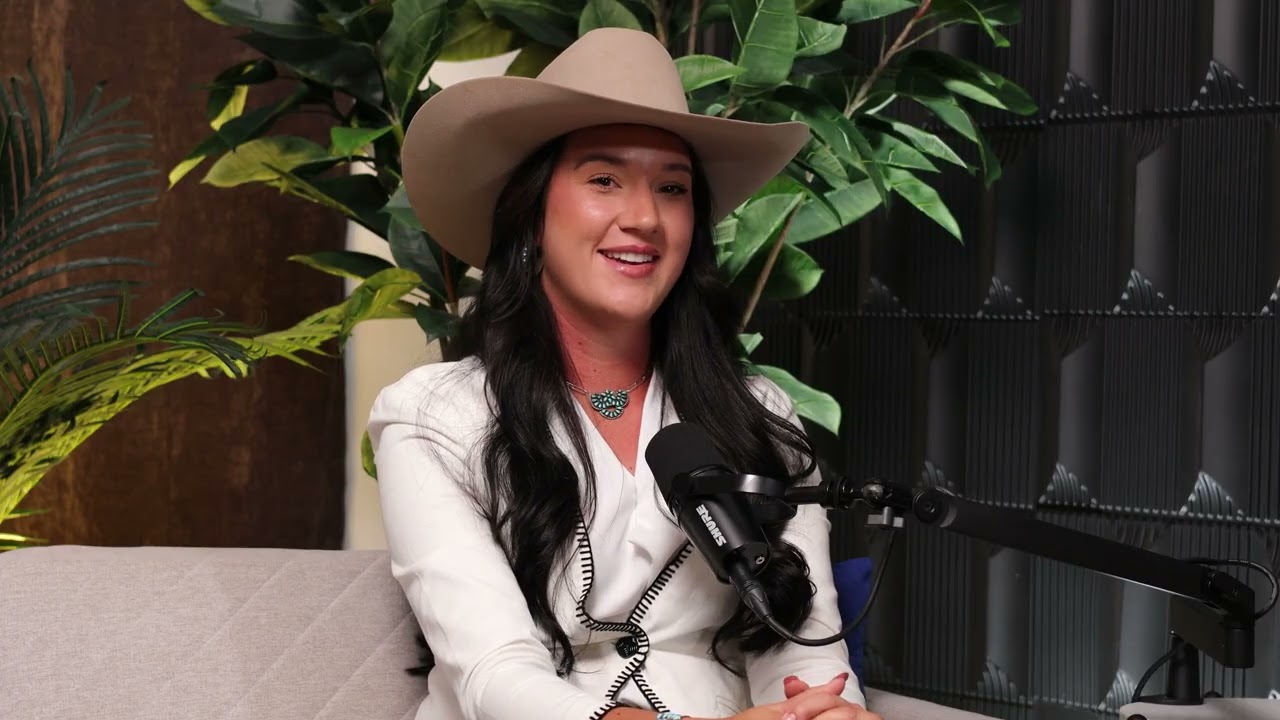
Buying a business and buying a horse look far apart on paper. In practice, the decisions feel the same. Risk shows up fast. Emotion follows. Judgment decides the outcome. In this conversation with Chesney Reeves, rider instinct becomes a guide for disciplined M&A.
It starts with clarity
You set the budget before emotion enters the room. Deal fever is real. A glossy brand story or a perfect look can distract from weak cash flow or hidden problems. That is why site visits matter. You would never buy a performance horse you have not seen move. You should not buy a company you have not walked, met the team, and watched operate. The first filter is simple and uncomfortable. Does this fit your capabilities and constraints right now, not someday.
Due diligence replaces hope with proof
Horse buyers call the vet. Business buyers bring a CPA, legal counsel, and sometimes a quality of earnings firm. The goal is the same. Verify health. Stress test history. Find deal breakers early. Joint scans mirror reviews of receivables, customer concentration, and normalized EBITDA. Clean results build confidence. Flags trigger renegotiation or a walk away. Agree upfront on what happens if issues appear so emotion does not rewrite the rules later.
Paperwork protects trust
Contracts are not formalities. They are structure. Chesney points out how loose agreements in horse trades often lead to conflict. In business, the letter of intent sets price, structure, scope, timelines, and exclusivity. Precision here prevents surprises. Definitive agreements must spell out representations, warranties, limits, and remedies. Insurance can help manage exposure. Not every deal needs every tool. Every deal needs clarity.
Negotiation rewards patience
The strongest position is the ability to walk away. Chesney’s Mesa story shows the power of setting a ceiling and letting time work. Sellers care about more than price. They care about fit and stewardship. Many choose buyers who will protect people, customers, and legacy. Meet face to face. Share the plan. Show how you will care for what they built. Trust shortens timelines and smooths outcomes.
The real test comes after close
Training works through repetition. Integration does too. Reinforce what works. Change what does not in phases. Speed breaks systems. Signal matters more. If you plan multiple acquisitions, treat integration as its own discipline. Aim for steady improvements, not dramatic overhauls that disrupt revenue.
Not every asset belongs forever
Some horses do not fit their program. Some business lines miss the thesis. Act early. Redeploy talent. Adjust strategy. Sunset what drains capital and morale before damage compounds.
Community sharpens decisions
Both worlds rely on networks. Trainers, vets, brokers, lenders, operators. Bring in outside eyes to counter bias. Ask direct questions. Invite direct answers. When results disappoint, do not freeze. Stabilize cash. Create options. Restructure, spin off, or sell and reset.
Great buyers manage risk, they do not avoid it
They structure risk. They inspect it. They respond faster than emotion. That is good horse sense. It is also good deal sense.


 RSS Feed